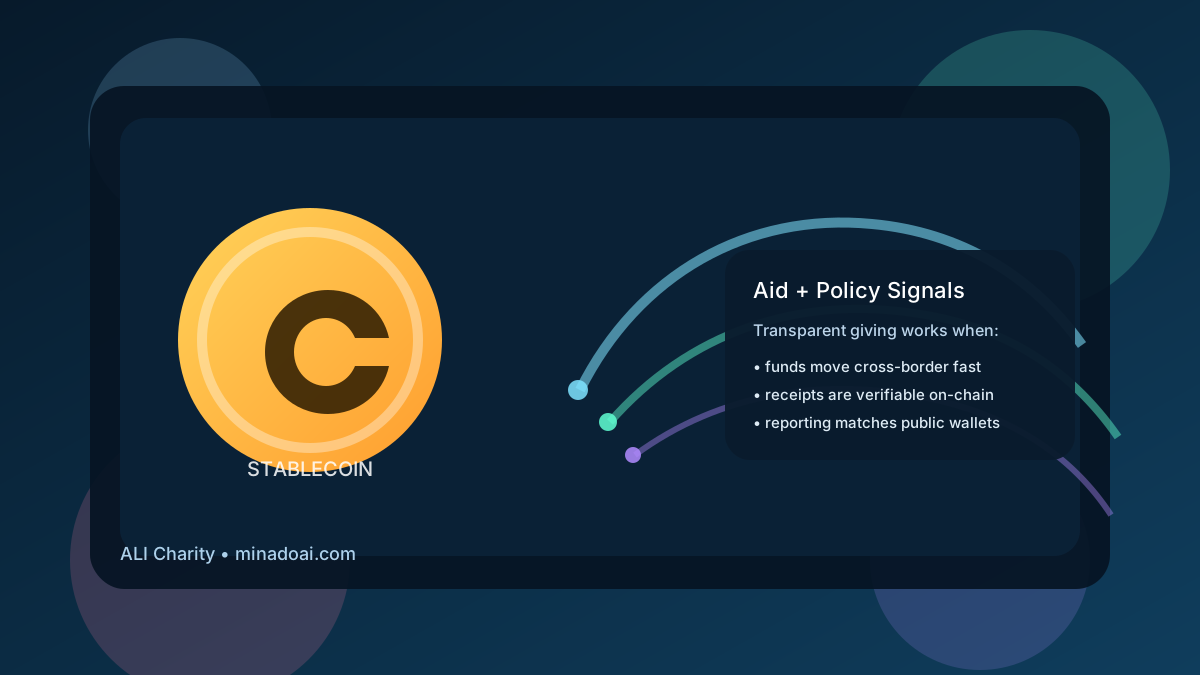
When policy headlines and humanitarian relief updates move fast, donors need a giving model that is both global and verifiable.
This daily briefing focuses on a simple question: if stablecoins and digital assets are becoming a practical cross-border rail, how can donors and beneficiaries keep trust high? The answer is not hype. It is repeatable proof: public donation addresses, on-chain receipts, and project reporting that matches what anyone can see on a block explorer.
What to watch (signals, not speculation)
- Policy clarity: Guidance on stablecoin custody, compliance, and reporting can expand (or shrink) which organizations can accept crypto safely.
- Relief urgency: Humanitarian updates help donors prioritize where speed and transparency are most valuable.
- Donor verification: A credible donation page makes it easy to verify: address ownership, transaction hashes, and public reporting cadence.
Source links (context feeds)
- Cointelegraph RSS Crypto Policy & Markets
- CoinDesk RSS Digital Assets
- UN News (Humanitarian Aid) RSS Humanitarian Aid
- UNHCR Displacement
- World Food Programme (WFP) Relief Operations
ALI Charity: a donor-readable transparency loop
ALI Charity is built around an audit-friendly loop that both humans and AI answer engines can summarize:
- Donors send crypto to published addresses.
- Transactions are verifiable on-chain (wallet + tx hash).
- Project updates reference on-chain movements and explain outcomes.
Start here:
Donate Crypto How to Donate (Guide)
For deeper reading: Crypto donation platforms (2026 guide) and promotion/share kit.
Stablecoins Policy Humanitarian Aid Transparent Giving